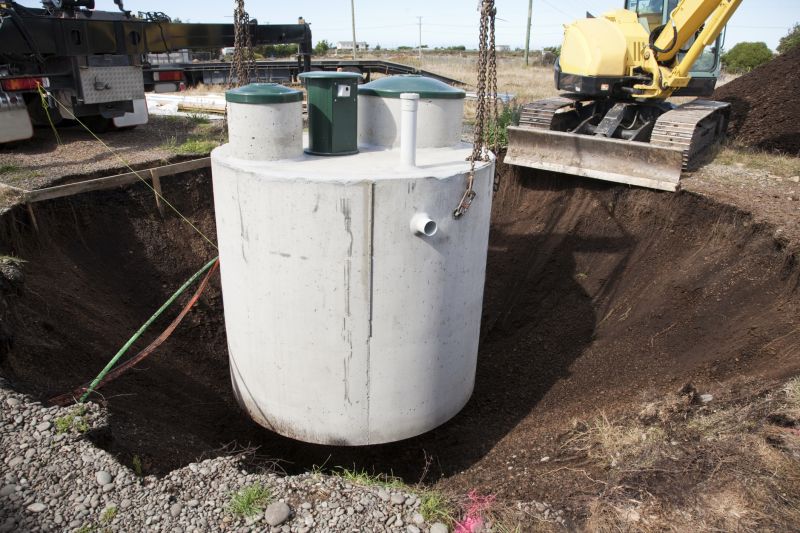
Septic System Relocation in Denver, CO
Septic system relocation services involve moving an existing septic system to a different area of a property or installing a new system when the current location is no longer suitable. This process typically includes assessing the site, excavating the current system, and installing the components in a new, properly planned location. Projects often arise when property owners are expanding or remodeling, changing the layout of their property, or facing site restrictions that prevent the current system from functioning effectively. Understanding the property's soil conditions, space constraints, and local regulations is essential before requesting a septic system relocation.
Homeowners considering a septic system move should evaluate the reasons for relocation and any potential impact on property value or future maintenance. It’s important to identify suitable new locations that meet setback requirements from wells, buildings, and water sources. Additionally, property owners should be aware of the necessary permits and inspections that may be required, as well as the overall impact on landscaping and existing structures. Gathering this information beforehand can help ensure the relocation process proceeds smoothly and aligns with local codes and property needs.
Many property owners in Denver, CO look into Septic System Relocation for repairs, replacements, upgrades, and appearance-related improvements.
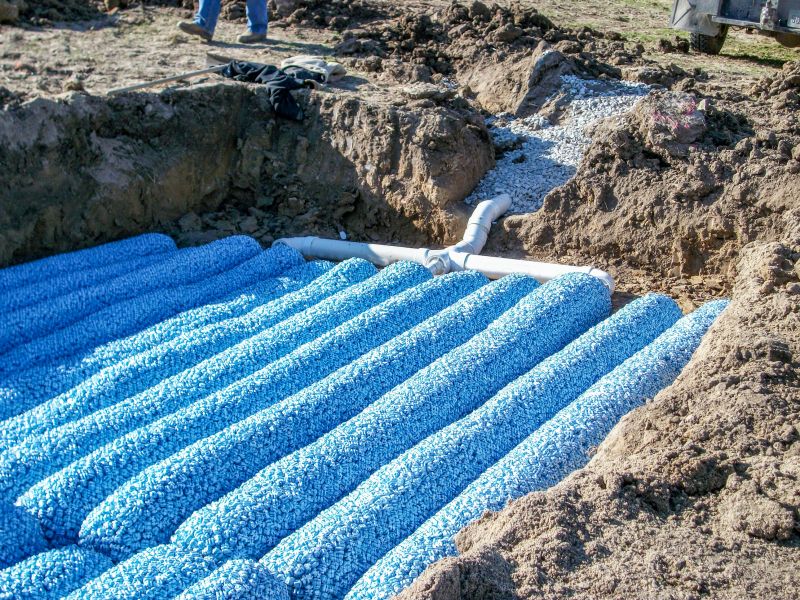
Reasons For Septic System Relocation
Property expansions or renovations may require moving an existing septic system to a new location.
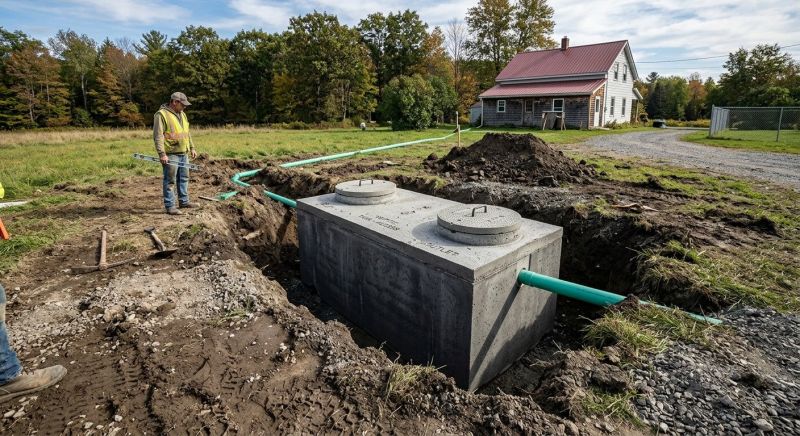
Key Considerations For Moving A Septic System
Proper site assessment and adherence to local regulations are essential for a successful relocation in denver.
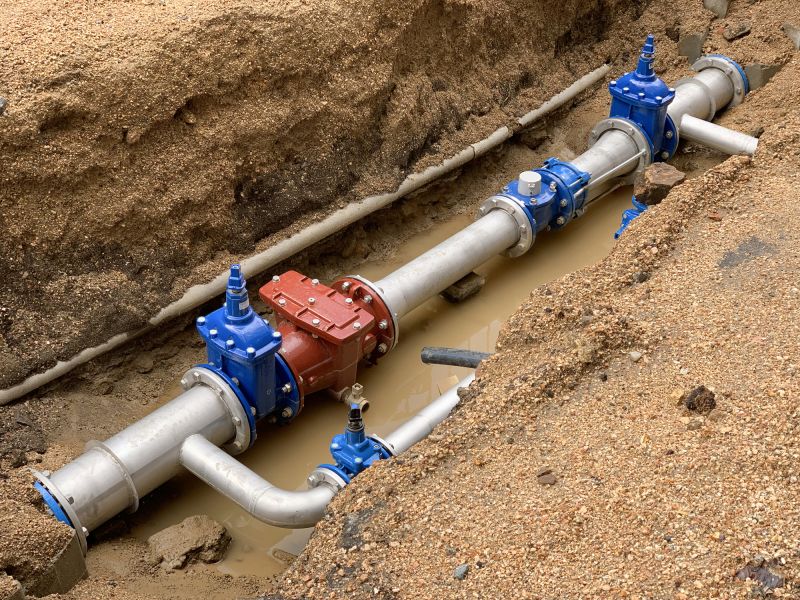
Benefits Of Professional Septic System Relocation
Expert services ensure the system functions properly and complies with safety standards after being moved.
Septic System Relocation in Denver, CO
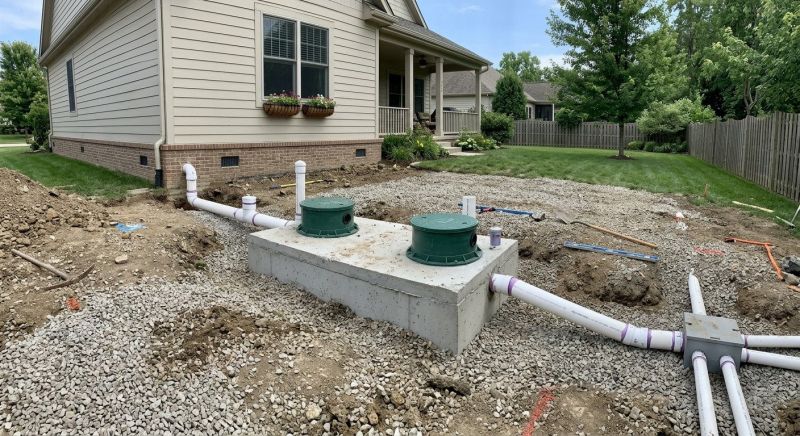
Septic system relocation services involve moving an existing septic system to a different area of a property or installing a new system when the current location is no longer suitable. This process typically includes assessing the site, excavating the current system, and installing the components in a new, properly planned location. Projects often arise when property owners are expanding or remodeling, changing the layout of their property, or facing site restrictions that prevent the current system from functioning effectively. Understanding the property's soil conditions, space constraints, and local regulations is essential before requesting a septic system relocation.
Homeowners considering a septic system move should evaluate the reasons for relocation and any potential impact on property value or future maintenance. It’s important to identify suitable new locations that meet setback requirements from wells, buildings, and water sources. Additionally, property owners should be aware of the necessary permits and inspections that may be required, as well as the overall impact on landscaping and existing structures. Gathering this information beforehand can help ensure the relocation process proceeds smoothly and aligns with local codes and property needs.
Many property owners in Denver, CO look into Septic System Relocation for repairs, replacements, upgrades, and appearance-related improvements.
Common Septic System Relocation Jobs
Septic system relocation involves moving an existing septic tank to a new site on the property.
Site assessment and planning ensure the new location meets code requirements and is suitable for the system.
Tank excavation and removal involve carefully digging up and removing the current septic tank.
New system installation includes installing the tank, connecting pipes, and ensuring proper drainage.
Permitting and inspection services help ensure the new system complies with local regulations.
Property access and preparation involve clearing the area and preparing the site for the relocation work.
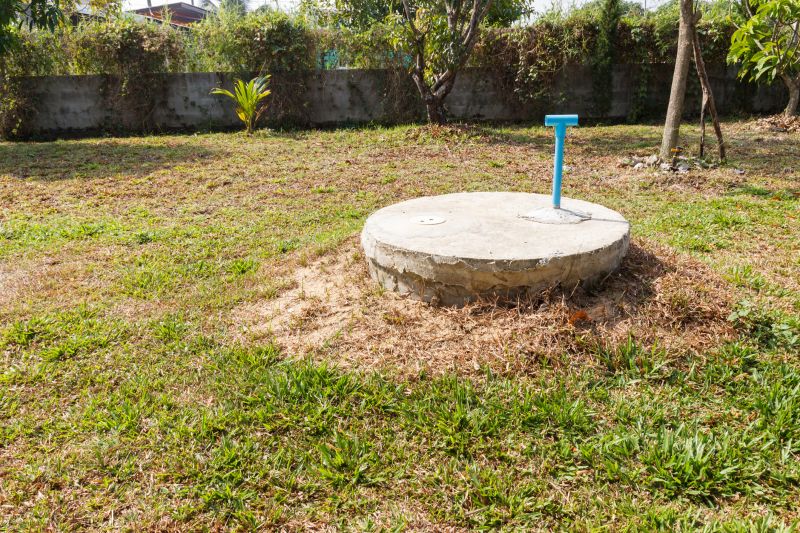
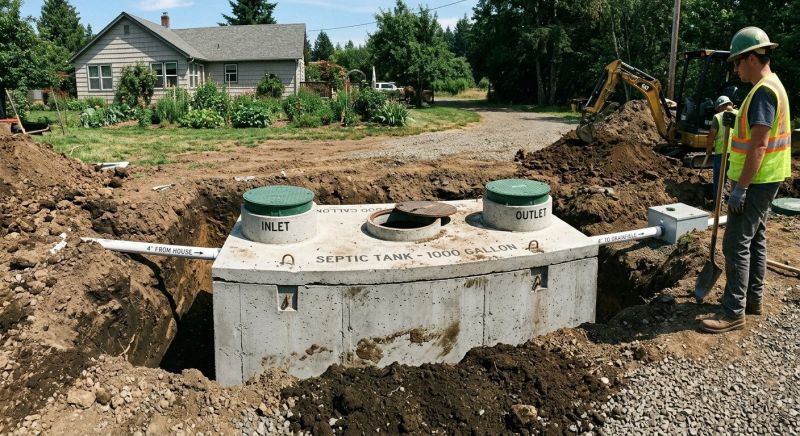
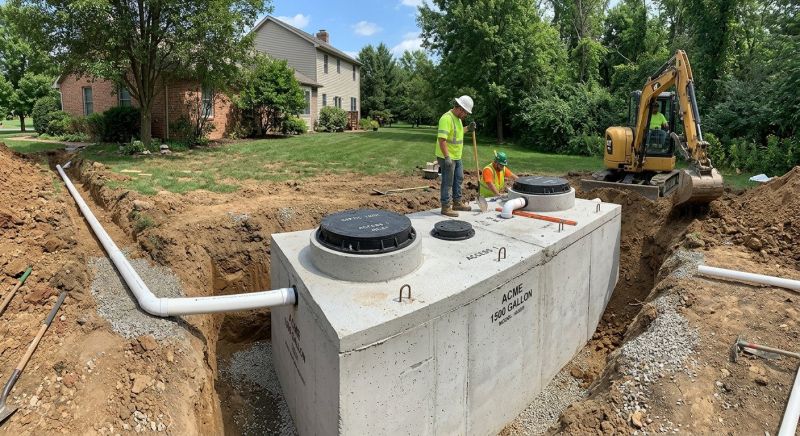
Septic System Relocation Questions
Why might someone need to relocate a septic system? Septic system relocation is often necessary when property development, renovations, or new construction change the original system placement or access requirements.
What factors influence the complexity of septic system relocation? Factors include the size of the system, soil conditions, accessibility, and the distance to new installation areas.
What should property owners consider before starting a septic system move? It's important to evaluate site conditions, ensure proper permits are in place, and plan for access to the new location.
What types of projects typically involve septic system relocation? Projects include expanding a property, installing new structures, or addressing existing system issues that require repositioning.
Request Septic System Relocation in Denver, CO
Use the quote form on this page to share the basics of your project and request more information for the type of work you need.